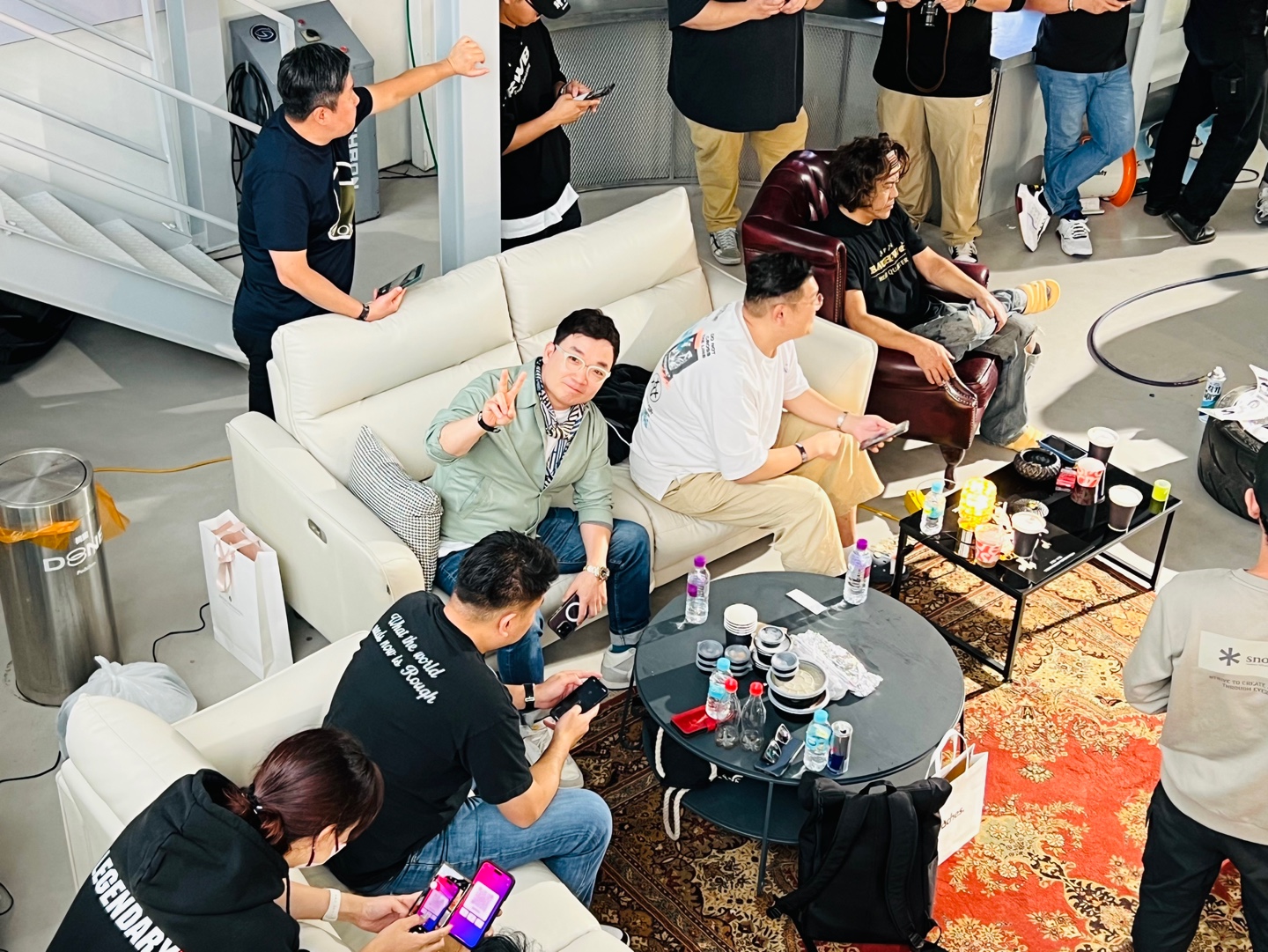
Three ways of looking at RWB
The same Porsche can bring preservation to one person’s mind, a circuit to another’s, and a lifetime of memories to its owner’s. Living with HANGANG has taught me to consider all three perspectives when I look at RWB.
1. Preservation — what it means to alter a classic Porsche
I understand the wish to preserve a classic Porsche as it left the factory. Its body lines, period components and surviving traces of use have meaning. Watching someone cut its fenders can be uncomfortable. As a Porsche enthusiast, I take that feeling seriously.
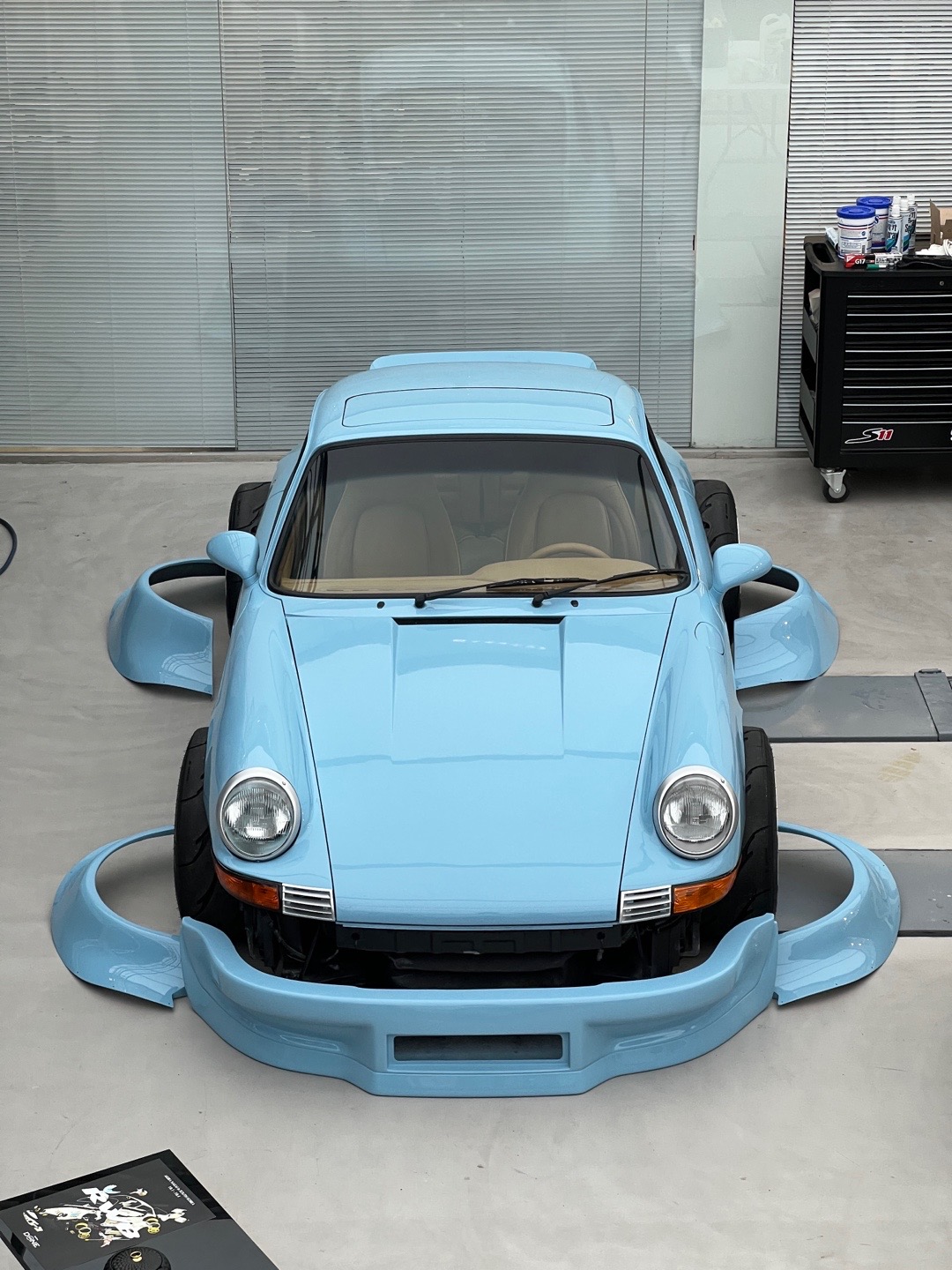
My own starting point was a 1992 Porsche 964 Carrera 4 in poor condition. It needed interior and exterior restoration, a full repaint and an engine overhaul. I later had it converted into a 901-style backdate, bringing the appearance of an early 911 into my own interpretation. Before RWB, this was already a Porsche I was rebuilding to keep and drive.
Preservation and personal reinterpretation are different choices. I do not consider mine the right answer for every classic Porsche. But I hope a car can be understood through its starting condition and history of work, as well as its present appearance.
2. Driving — the racing behind the silhouette
A short build video leaves a vivid impression of Nakai cutting fenders and fitting bodywork. What interested me just as much was how the cars brought people together to drive.
The Idlers 12-hour endurance race offers a concrete example. RWB Europe records joining Nakai and his team by invitation in 2013, when all six RWB cars finished. It is evidence of a culture that includes racing together.
That result cannot establish the performance of every RWB road car. Engines, suspension, tyres and intended uses differ. I find RWB more interesting when the conversation gets specific: how a particular car is prepared, where it is driven, and what its owner wants from it.
3. Ownership — the time and people a car brings into your life
I was drawn to owners choosing their own colours, interiors and engine work, and to the friendships that extended into home visits and exchanges across borders. That closeness mattered to me as much as the bodywork.
HANGANG’s checked interior and the handmade manual gear knob with its gold-plated LEGENDARY logo reflect my own choices, separate from Nakai’s work. The car has developed through an owner’s decisions and several stages of work over time.
During the three-year wait in Korea after ordering the kit, I was offered the option of sending the car to Japan for an earlier build. I waited because I wanted to witness Nakai working and meet the people gathered around the car. Another car was built in Japan and became Korea’s first RWB; HANGANG became the first car Nakai built on Korean soil, officially Korea No. 2. I still have no regrets.
What I wanted was the experience more than the number. When asked why I like RWB, I think of its shape, the people it has brought into my life and the driving memories still to come.