HANGANG, Part 3 — Why RWB, and a Three-Year Wait
Building my own Porsche also meant meeting new people and becoming part of a culture.
A different classic, imagined in Korea
Buying a 1992 Porsche 964 Carrera 4, restoring its interior and exterior, rebuilding the engine and giving it a 901-style backdate gradually brought a long-held dream to life. The checked interior and handmade gear lever carried my own taste. Driving that car, I began to imagine the next chapter we could share.
In the Korean classic-car culture I experienced at the time, there were still relatively few opportunities to build an overseas classic around personal ideas and share that process with others. I wanted to see a more varied range of classic Porsches in Korea. That was the perspective from which I had long followed Akira Nakai of RWB.
The philosophy beyond the wide fenders
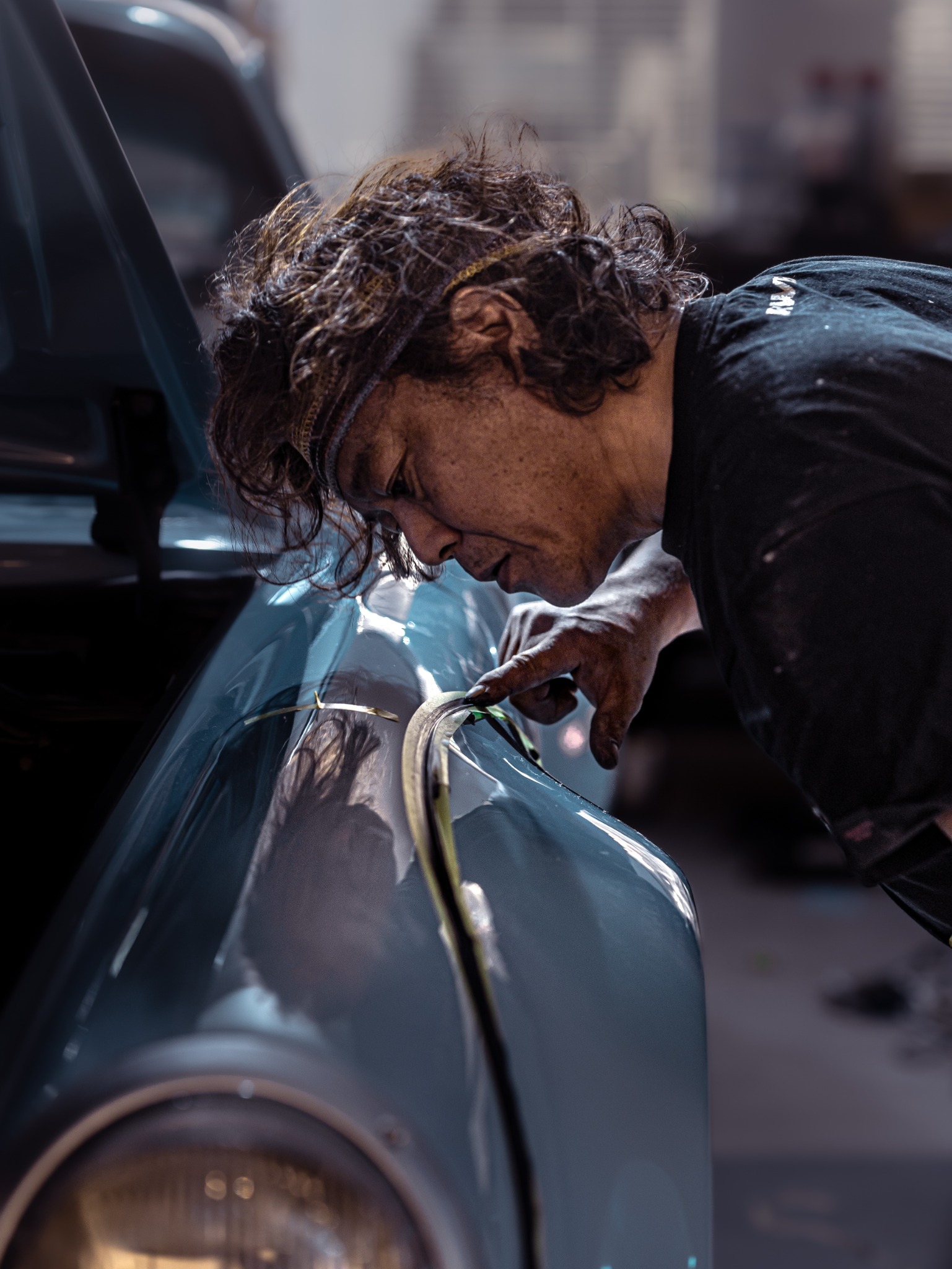
An RWB Porsche first draws the eye with wide fenders and a striking silhouette. Watching Nakai cut the body and fit the kit is memorable, too. Yet what I admired went beyond that scene.
To me, Nakai was someone who brought his experience as a racer and the instincts developed through running a racing team into his Porsches. I felt that his work carried his own philosophy of racing and cars. Choosing RWB meant welcoming that philosophy into my car's story, alongside its visual transformation.
Akira Nakai and RWB: a shared life on the circuit
My respect for Nakai-san also comes from his involvement in racing. RWB’s relationship with the annually held Idlers 12-hour endurance race at Motegi is documented by people who took part. In his 2012 account, Mark Arcenal describes Nakai inviting owners from around the world to race with him, with six RWB teams taking part. RWB Europe records another invitation to join Nakai and his team in 2013, when all six RWB cars finished.
For me, those records give the wide-body silhouette a deeper context. An endurance race depends on driver changes, refuelling, repairs and people working together over many hours. Nakai’s involvement with the cars, the team and the owners is the side of RWB I wanted to experience myself.
The way I see it, the appeal of RWB includes both individual expression and a passion for driving shared with other owners. That is why being present for the build in Korea mattered so much to me.
Racing records and photographs
One RWB name, individual owner choices
I also liked how RWB owners in different countries made their cars their own. Colours, interiors and engine performance reflected individual tastes and choices. Even under the same RWB name, each car had a different character and story. Some expressed an owner's visual taste; others revealed how they drove and enjoyed their car.
I wanted HANGANG to have that individuality: a Porsche shaped by the design I love, the pleasure of driving and the personality of an owner living in Korea.
A family connected by cars
Another attraction was the strong bond between RWB owners. Inviting one another home, driving together and meeting across borders made an impression on me. I liked how a connection that began with a car could grow into a relationship in everyday life. Enjoying ownership came with the pleasure of meeting people.
I wanted to share my car's story within that community. I looked forward to a classic Porsche from Korea meeting owners overseas, and to the exchange of different tastes and experiences.
Three years in Korea: the experience mattered more than the number
I applied for the first car Nakai would build in person on a visit to Korea and ordered the body kit. Then the pandemic lengthened the wait. In the end, I waited three years in Korea for his visit.
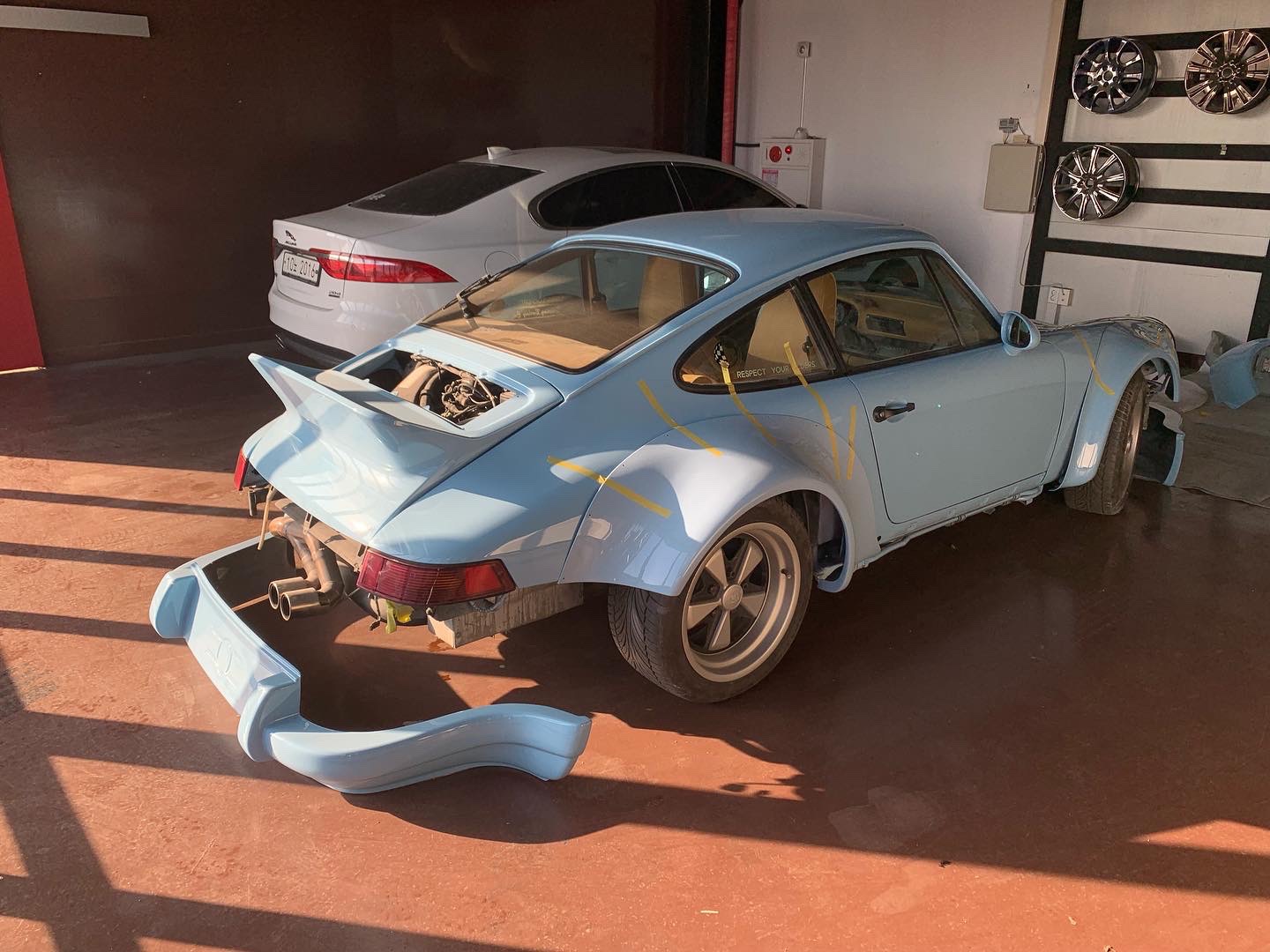
As the wait grew, there was a suggestion to send the car to Japan and have it built sooner. I chose to wait in Korea.
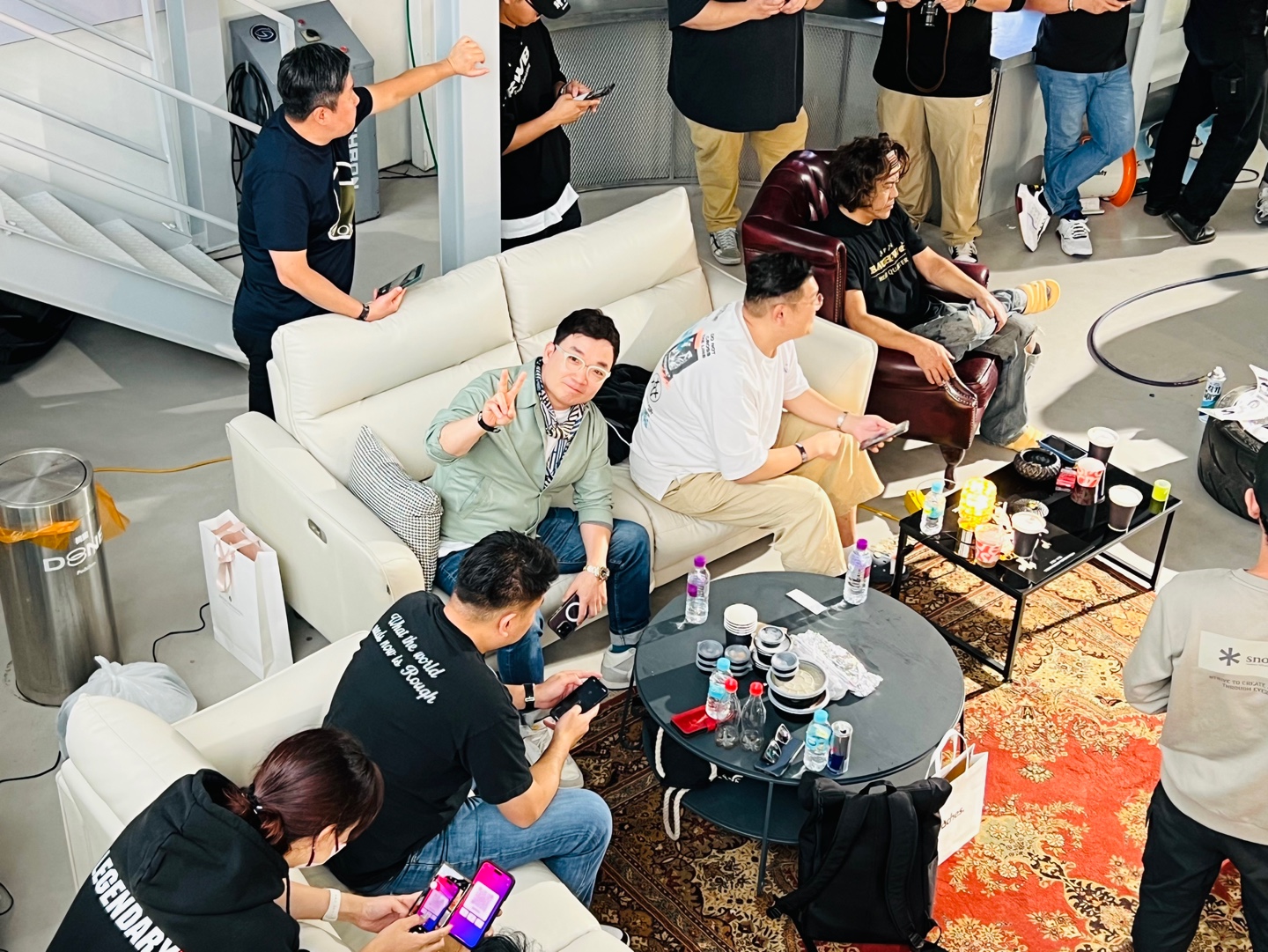
For me, the purpose of the build extended beyond receiving a finished car. I wanted to watch Nakai work on my own car, take part in the occasion and meet the different people brought together by the same passion. The transformation and the relationships formed around it were both things I wanted to keep in HANGANG's story.
Meanwhile, another company's car went to Japan, received its RWB build and returned as the official Korean No.1. The order I had originally anticipated changed, but I continued to wait for Nakai to come to Korea. Sharing the process mattered more to me.
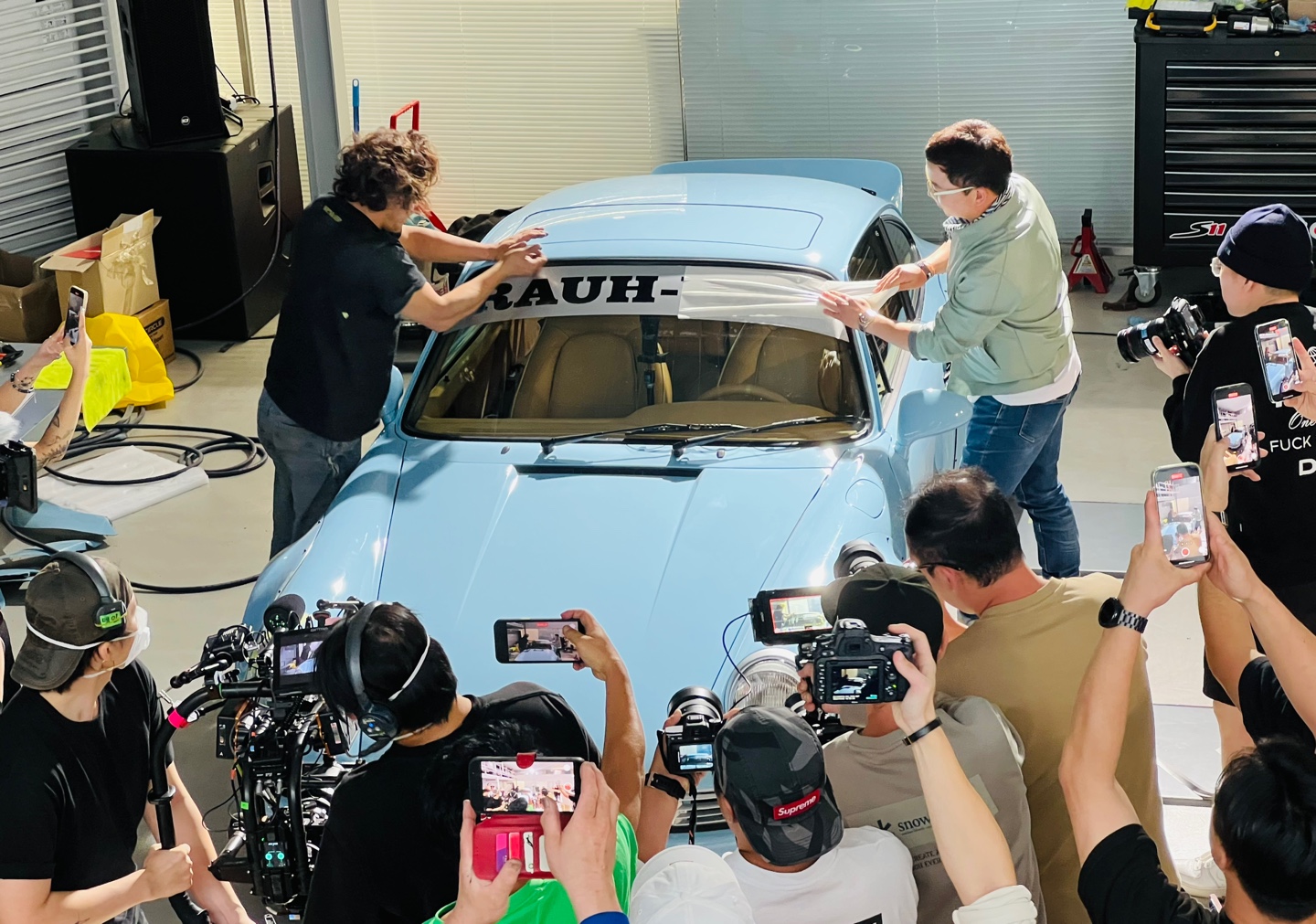
Eventually, Nakai came to Korea and worked on HANGANG. It became the first car he built locally in Korea, and the official Korean RWB No.2.
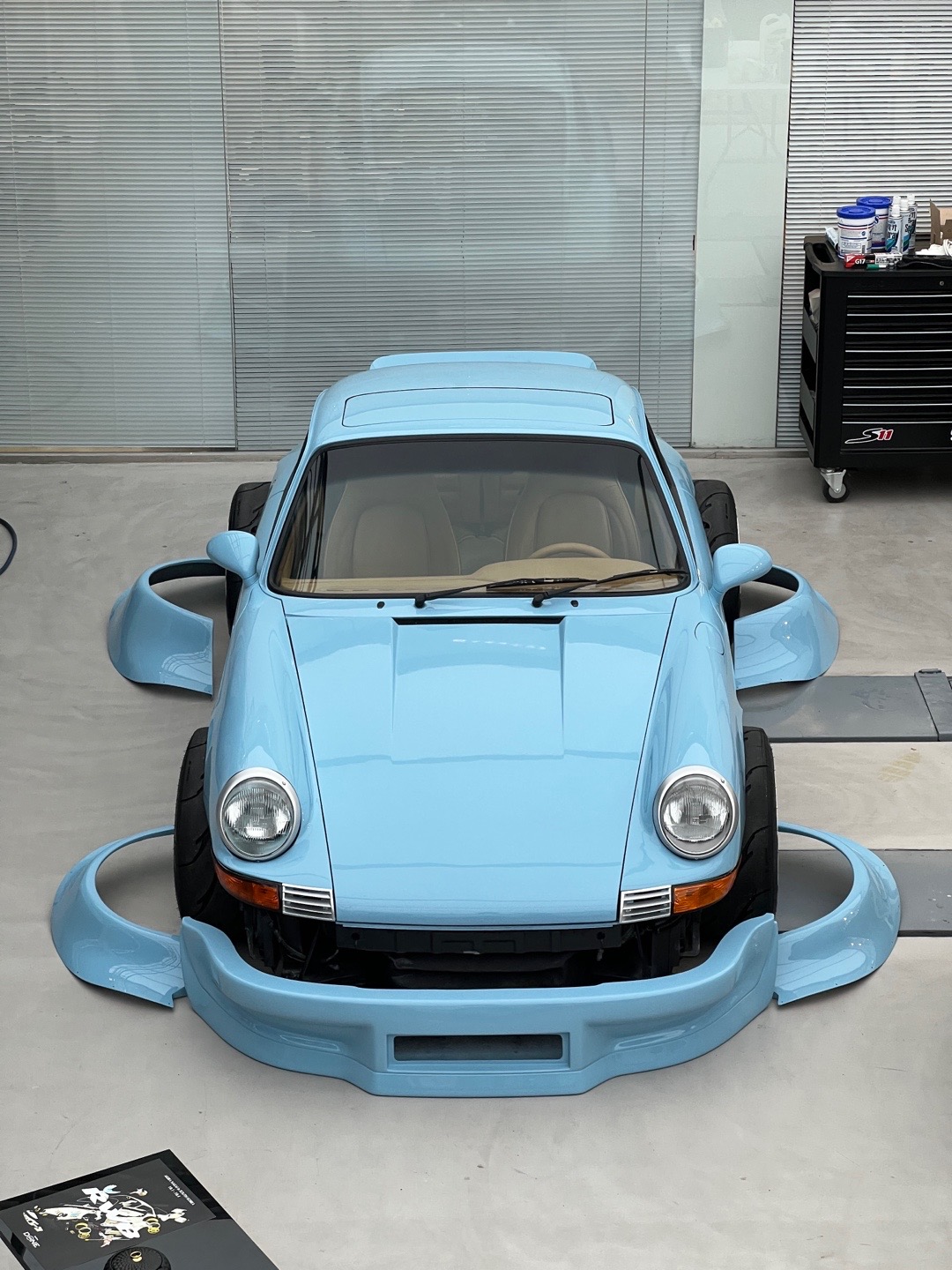
I still have no regrets about that choice. After three years, I experienced the build in the way I had hoped. The work I witnessed and the people I met became lasting memories alongside the finished car.
HANGANG's value cannot be explained by a number alone. It carries the intention with which I started, what I waited for and the people who shared that time. That is what this build meant to me.
The next chapter will take us into the build where Nakai transformed HANGANG into an RWB.
한강 이야기 ③ — RWB를 선택한 이유, 그리고 3년의 기다림
나만의 포르쉐를 만드는 일은, 새로운 사람들과 문화를 만나는 일이기도 했습니다.
한국에서 꿈꾼 또 다른 클래식
1992년식 포르쉐 964 카레라 4를 구입하고, 내외관 복원과 엔진 오버홀, 901 스타일의 백데이트 작업을 거치면서 오랫동안 품어온 꿈이 조금씩 현실이 되었습니다. 체크무늬 실내와 직접 제작한 기어봉에는 제 취향도 담았습니다. 그렇게 완성한 차를 타면서, 다음에는 어떤 모습으로 이 차와 함께하고 싶은지 생각하게 되었습니다.
당시 제가 경험한 한국의 클래식카 문화는 아직 폭넓게 자리 잡지 못한 상태였습니다. 특히 해외 클래식 자동차를 바탕으로 자신만의 개성을 담아 빌드하고, 그 과정을 함께 나눌 기회는 많지 않았습니다. 한국에서도 좀 더 다양한 클래식 포르쉐를 만날 수 있었으면 하는 바람이 있었습니다. 그런 마음으로 오래전부터 지켜본 사람이 RWB의 나카이 아키라였습니다.
넓어진 펜더 너머의 철학
RWB를 처음 보면 넓은 펜더와 강렬한 실루엣에 시선이 머물게 됩니다. 나카이 상이 직접 차체를 자르고 바디킷을 맞추는 장면 역시 인상적입니다. 하지만 제가 동경했던 것은 그 장면 너머에 있었습니다.
제가 바라본 나카이 상은 레이서로서의 경험과 직접 레이싱팀을 운영하며 쌓아온 감각을 포르쉐에 담는 사람이었습니다. 그의 작업에는 자신이 생각하는 레이싱과 자동차에 대한 철학이 이어지고 있다고 느꼈습니다. 그래서 RWB를 선택하는 일은 외관의 변화와 함께, 그 철학을 제 차의 이야기 안으로 받아들이는 일이었습니다.
서킷에서 이어지는 나카이 상과 RWB의 이야기
제가 나카이 상을 존중하는 이유에는 레이싱에 대한 그의 태도도 있습니다. 일본 모테기에서 매년 열리는 Idlers 12시간 내구레이스와 RWB의 관계는 실제 참가자들의 기록에서도 확인할 수 있습니다. 2012년 참가기를 쓴 마크 아르세날은 나카이 상이 세계 각국의 오너들을 초대해 함께 레이스에 참여했으며, 여섯 개의 RWB 팀이 출전했다고 전했습니다. RWB 유럽 역시 2013년 나카이 상과 그의 팀의 초청으로 참가했고, 여섯 대의 RWB 차량이 모두 12시간 레이스를 완주했다고 기록했습니다.
이 기록을 보면 RWB의 넓은 휀더를 바라보는 시선도 조금 달라집니다. 내구레이스는 드라이버 교대와 급유, 정비, 그리고 오랜 시간 서로를 믿고 움직이는 팀워크가 필요한 무대입니다. 저는 차량을 만들고, 팀과 오너들이 함께 달릴 수 있는 자리를 이어가는 나카이 상의 모습에서 RWB의 또 다른 매력을 느꼈습니다.
제게 RWB는 각자의 취향을 담는 즐거움과, 포르쉐를 직접 달리며 사람들과 경험을 나누는 열정이 함께하는 문화입니다. 제가 한국에서 빌드 현장을 직접 지켜보고 싶었던 이유도 바로 이런 사람들과 그 과정을 함께하고 싶었기 때문입니다.
레이스 참가 기록과 현장 사진
같은 RWB, 서로 다른 오너의 취향
각 나라의 RWB 오너들이 자신의 차를 완성하는 방식도 마음에 들었습니다. 색상과 실내, 엔진 퍼포먼스까지 각자의 취향과 선택이 담겨 있었습니다. RWB라는 공통된 이름 아래에서도 자동차마다 다른 성격과 이야기가 드러났습니다. 어떤 차는 오너의 미적 취향을, 어떤 차는 달리는 방식과 자동차를 즐기는 태도를 보여주었습니다.
저 역시 한강이 그런 차가 되기를 바랐습니다. 제가 좋아하는 디자인과 운전의 즐거움, 그리고 한국에서 살아가는 오너의 개성이 담긴 포르쉐를 만들고 싶었습니다.
자동차로 이어지는 패밀리
RWB에 끌렸던 또 하나의 이유는 오너들 사이의 강한 유대감이었습니다. 서로의 집으로 초대하고, 함께 달리고, 국경을 넘어 교류하는 모습이 인상적이었습니다. 자동차를 중심으로 시작된 인연이 일상의 관계로 이어지는 문화가 좋았습니다. 차를 소유하는 즐거움에 사람을 만나는 즐거움이 더해지는 모습이었습니다.
저도 그 안에서 제 차의 이야기를 나누고 싶었습니다. 한국의 클래식 포르쉐가 해외 오너들과 만나고, 서로 다른 취향과 경험이 오가는 장면을 기대했습니다.
한국에서 기다린 3년, 번호보다 중요했던 경험
나카이 상이 한국에 방문해 직접 빌드하는 첫 번째 차량으로 신청하고 바디킷을 주문했지만, 코로나 시기를 지나며 기다림은 길어졌습니다. 한국에서 그의 방문을 기다린 시간은 결국 3년이 되었습니다.
기다림이 길어지면서 차를 일본으로 보내 먼저 빌드하는 것이 어떻겠느냐는 제안도 있었습니다. 하지만 저는 한국에서 기다리는 쪽을 선택했습니다.
제게 빌드의 목적은 완성된 자동차를 받는 데서 끝나지 않았기 때문입니다. 나카이 상이 제 차를 작업하는 과정을 직접 지켜보고, 그 현장에 참여하고, 같은 열정으로 모인 다양한 사람들과 교류하고 싶었습니다. 자동차가 변화하는 시간과 그 자리에서 만들어지는 관계까지 한강의 이야기로 남기고 싶었습니다.
그사이 다른 업체의 차량이 일본으로 건너가 RWB 빌드를 마치고 한국에 들어오면서 공식 한국 1호차가 되었습니다. 처음 신청했을 때 기대했던 순서는 달라졌지만, 저는 여전히 나카이 상의 한국 방문을 기다렸습니다. 제게 더 중요했던 것은 그 과정을 함께 경험하는 일이었습니다.
마침내 나카이 상이 한국을 찾아 한강을 작업하게 되었습니다. 한강은 그가 한국 현지에서 직접 빌드한 첫 차량이자, 공식 한국 RWB 2호차가 되었습니다.
지금도 그 선택을 후회하지 않습니다. 3년의 기다림 끝에 제가 원했던 방식으로 빌드를 경험할 수 있었기 때문입니다. 직접 마주한 작업의 순간들과 그 현장에서 만난 사람들은 완성된 차와 함께 오래 남을 기억이 되었습니다.
한강의 가치는 번호 하나로 설명되지 않습니다. 어떤 마음으로 시작했고, 무엇을 기다렸으며, 누구와 그 시간을 함께했는지까지 담겨 있습니다. 그것이 제가 선택한 빌드의 의미였습니다.
다음 편에서는 나카이 상의 손을 거쳐 한강이 RWB로 완성되는 빌드 현장을 소개하겠습니다.
HANGANGの物語 ③ — RWBを選んだ理由と、3年間の待ち時間
自分だけのポルシェをつくることは、新しい人々や文化に出会うことでもありました。
韓国で思い描いた、もうひとつのクラシック
1992年式ポルシェ964カレラ4を購入し、内外装の修復、エンジンのオーバーホール、901スタイルへのバックデートを経て、長年の夢は少しずつ現実になりました。チェック柄の室内と自作シフトレバーにも自分の好みを込めました。その車を運転しながら、次にどんな時間を一緒に過ごしたいか考えるようになりました。
当時、私が経験した韓国のクラシックカー文化では、海外のクラシックカーに自分の個性を込めてビルドし、その過程を共有する機会はまだ多くありませんでした。韓国でも、もっと多様なクラシックポルシェに出会いたいと思っていました。その思いで長く見続けてきたのが、RWBの中井啓でした。
広いフェンダーの先にある哲学
RWBを見ると、広いフェンダーと力強いシルエットに目が向きます。中井さんが車体を切り、キットを合わせる姿も印象的です。ただ、私が憧れたものは、その場面の先にありました。
私にとって中井さんは、レーサーとしての経験と、自らレーシングチームを運営して培った感覚をポルシェに込める人でした。作品には、レースとクルマに対する彼自身の哲学が息づいていると感じました。RWBを選ぶことは、外観の変化とともに、その哲学を自分の車の物語に迎えることでした。
サーキットで続く中井さんとRWBの物語
私が中井さんを尊敬する理由には、レースへの姿勢もあります。モテギで毎年開催されるidlersの12時間耐久レースとRWBの関わりは、参加者の記録にも残っています。2012年の参加記でマーク・アーセナルは、中井さんが世界各国のオーナーを招いて一緒にレースに参加し、RWBの6チームが出場したと伝えています。RWB Europeも2013年に中井さんとそのチームに招かれ、RWBの6台がすべて12時間レースを完走したと記録しています。
こうした記録を知ると、RWBのワイドフェンダーをより深く理解できる気がします。耐久レースにはドライバー交代、給油、整備、そして長時間にわたるチームワークが欠かせません。クルマを作り、チームやオーナーが一緒に走る場を育んできた中井さんの姿に、私はRWBのもう一つの魅力を感じました。
私にとってRWBは、自分の好みを表現する楽しさと、ポルシェで走りながら仲間と経験を分かち合う情熱が共存する文化です。韓国でビルドに立ち会いたかったのも、その人たちと過程を共有したかったからです。
レース参加記録と現場の写真
同じRWB、それぞれのオーナーの個性
各国のRWBオーナーが、自分の車を仕上げる姿にも惹かれました。色、室内、エンジン性能にも、それぞれの好みと選択が表れています。同じRWBという名前のもとでも、車ごとに違う個性と物語がありました。美的感覚を表す車もあれば、走り方や楽しみ方を伝える車もありました。
HANGANGも、そんな一台であってほしいと思いました。好きなデザイン、運転の楽しさ、韓国で暮らすオーナーの個性が込められたポルシェをつくりたかったのです。
クルマでつながるファミリー
もうひとつの理由は、オーナー同士の強い絆でした。互いを自宅に招き、共に走り、国境を越えて交流する姿が印象に残りました。クルマから始まった縁が日常の関係へと広がる文化が好きでした。所有する喜びに、人と出会う楽しさが加わっていました。
私もその中で、自分の車の物語を分かち合いたいと思いました。韓国のクラシックポルシェが海外のオーナーと出会い、違う好みや経験を交換する時間を楽しみにしていました。
韓国で待った3年。番号より大切だった体験
中井さんが韓国を訪れて直接ビルドする最初の車として申し込み、ボディキットを注文しました。しかしコロナ禍で待ち時間は延び、韓国で訪問を待った時間は3年になりました。
待ち時間が長くなる中、車を日本へ送り、先にビルドしてはどうかという提案もありました。それでも私は韓国で待つことを選びました。
完成した車を受け取るだけが、私にとってのビルドの目的ではなかったからです。中井さんが自分の車をつくる過程を見届け、現場に参加し、同じ情熱で集まったさまざまな人と交流したかったのです。車が変わる時間と、そこで生まれる関係もHANGANGの物語に残したいと思いました。
その間に別の事業者の車が日本でRWBビルドを受け、韓国に戻って公式の韓国1号車となりました。最初に想像した順番は変わりましたが、私は中井さんの韓国訪問を待ち続けました。その過程を共に体験することのほうが大切でした。
ついに中井さんが韓国を訪れ、HANGANGを手がけました。韓国の現地で彼が直接ビルドした最初の車であり、公式には韓国RWB2号車となりました。
今もその選択を後悔していません。3年を待った末に、望んでいた形でビルドを体験できたからです。目の前で見た作業と、現場で出会った人々は、完成した車とともに長く残る記憶になりました。
HANGANGの価値は、ひとつの番号だけでは語れません。どんな思いで始め、何を待ち、誰と時間を共有したのかも込められています。それが、私の選んだビルドの意味でした。
次回は、中井さんの手によってHANGANGがRWBへと完成するビルド現場をお伝えします。
HANGANG的故事 ③ — 为什么选择RWB,以及三年的等待
打造属于自己的保时捷,也意味着结识新的人,走进一种文化。
在韩国想象另一种经典
买下1992年保时捷964 Carrera 4,进行内外饰修复、发动机大修和901风格的复古化改装后,多年的梦想逐渐成为现实。格纹内饰与亲手制作的挡杆也融入了我的审美。驾驶这辆车时,我开始思考下一段想与它共同经历的故事。
在我当时体验的韩国经典车文化中,以海外经典汽车为基础融入个人想法,并与他人分享改装过程的机会还不多。我希望能在韩国见到更多样的经典保时捷。带着这样的想法,我长期关注着RWB的中井启。
宽体翼子板背后的理念
第一次看到RWB,宽阔的翼子板与强烈的轮廓总会吸引目光。中井先生亲手切割车身、安装套件的画面也令人难忘。但我向往的,还有那些画面之外的东西。
在我看来,他把赛车手的经验,以及亲自运营赛车团队积累的感受,融入了自己的保时捷。我觉得他的工作延续着他对赛车与汽车的理念。因此,选择RWB既是外观的变化,也是把那份理念带进我的汽车故事。
赛道上的中井先生与RWB
我尊敬中井先生,也因为他对赛车的投入。RWB与每年在日本茂木举办的Idlers 12小时耐力赛之间的联系,在参赛者的记录中有据可查。Mark Arcenal在2012年的参赛记中写道,中井先生邀请世界各地的车主与他一同参赛,当年共有六支RWB车队参加。RWB Europe也记录了2013年受中井先生及其团队邀请参赛的经历,六辆RWB赛车全部完成了12小时比赛。
这些记录让我更深入地理解RWB的宽体造型。耐力赛需要车手轮换、加油、维修,以及长时间默契配合的团队。中井先生打造车辆,也让车队与车主有机会共同驰骋,这正是我欣赏的另一面。
对我来说,RWB是一种文化:既能表达个人品味,也能驾驶保时捷,与伙伴分享经历。我想在韩国亲历打造过程,也是为了与这些人共同经历这一切。
参赛记录与现场照片
同一个RWB名字,不同车主的个性
我也喜欢各国RWB车主打造自己汽车的方式。颜色、内饰乃至发动机性能,都体现着个人审美与选择。即使拥有同一个RWB名字,每辆车仍有自己的性格和故事。有的表达车主的美感,有的展现他们的驾驶方式与享受汽车的态度。
我希望HANGANG也成为这样的一辆车:融合我喜欢的设计、驾驶的乐趣,以及一位生活在韩国的车主的个性。
由汽车连接的大家庭
另一个吸引我的原因,是车主之间强烈的凝聚力。彼此邀请到家中做客,一起驾驶,跨越国界交流,这些画面让我印象深刻。我喜欢由汽车开始的缘分延伸成日常关系的文化。拥有汽车的快乐,也伴随着认识朋友的快乐。
我也想在其中分享自己的汽车故事。我期待一辆来自韩国的经典保时捷与海外车主相遇,交换不同的审美和经历。
在韩国等待三年:体验比编号更重要
我申请成为中井先生到访韩国时亲自打造的第一辆车,并订购了车身套件。但疫情让等待变得漫长,最终我在韩国等了三年。
等待期间,也有人建议把车送往日本,提前完成改装。但我选择继续在韩国等待。
因为对我来说,改装的目的并不止于收到一辆完成的汽车。我想亲眼观看中井先生打造自己的车,参与现场,与因共同热情而聚集的不同人交流。汽车变化的过程,以及现场形成的关系,都值得留在HANGANG的故事中。
与此同时,另一家公司的车辆前往日本完成RWB改装,回到韩国后成为官方韩国一号车。最初设想的顺序改变了,但我仍然等待中井先生到访韩国。与大家共同经历过程,对我更加重要。
终于,中井先生来到韩国,亲手打造了HANGANG。它成为他在韩国当地亲自打造的第一辆车,官方编号则是韩国RWB二号。
直到现在,我也不后悔这个选择。三年等待之后,我以自己希望的方式体验了改装。亲眼见证的工作,以及现场结识的人,与完成的汽车一起成为长久的记忆。
HANGANG的价值不能只用一个编号来解释。它包含着出发时的心意、等待的原因,以及共同度过时光的人。这就是我选择这次改装的意义。
下一篇将走进改装现场,介绍中井先生如何将HANGANG打造为RWB。